Global Capability Center Advisory
Establishing, modernizing and reinventing your GCC


Our Global Capability Center Solutions
End-to-end advisory support.
Most enterprises know their delivery model is not working before they can say why.
ISG helps you assess your business needs, evaluate your current service delivery model and design your future state.
Complexity is the concern enterprises rank highest when they look at a capability center, ahead of cost and talent.
A location decision is quick to make but long to live with, so it needs to be made with confidence.
ISG helps you analyze candidate locations, assess cost, capability and capacity, and weigh your partnering options. We shape the AI strategy for your GCC, build the business case and plan the roadmap that gets you to your future state.
A capability center carries a competitive premium of 20% to 40% over the same work delivered under contract.
This is where a GCC stops being a business case and becomes an organization with a site, a headcount and reporting lines.
ISG works with you on site evaluation and selection, functional requirements and capacity, the organization and operational processes that will run the center, your strategic partnerships and the design of an agentic center of excellence.
Running your own center alongside contracted teams takes a level of governance most enterprises are still building.
Everything agreed on paper now has to work with real people, real volume and real dates.
ISG helps you enable your strategic partnerships, develop functional training, manage the organizational change, establish your agentic CoE and run the program end to end.
Enterprises building global capability centers rank retention as their biggest worry, ahead of recruitment.
The value a center delivers changes as it matures, and the way you measure it should too.
ISG measures what your center delivers against the case that funded it, then works with you on performance and cost management from there. We support your commercial and vendor management, your procurement, and the ongoing operation of your automation CoE.
Enterprises are moving to outcome-based agreements, so what they pay tracks what the center actually delivers.
Featured Insights

Client Stories



Meet Our Team
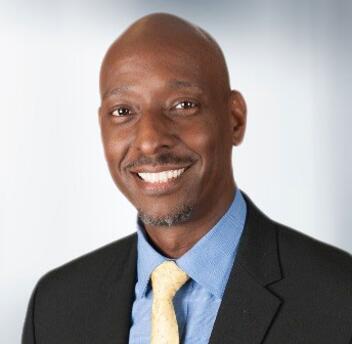
Michael Fullwood
Partner
Michael Fullwood
Michael Fullwood is a Partner in the ISG Health Sciences practice. He works with the senior leaders of our Life Science clients to transform and improve their enterprise operations, technology organizations and digital initiatives. He specializes in transformation value realization, cost optimization and operational excellence. He is a recognized thought leader and has authored several publications.
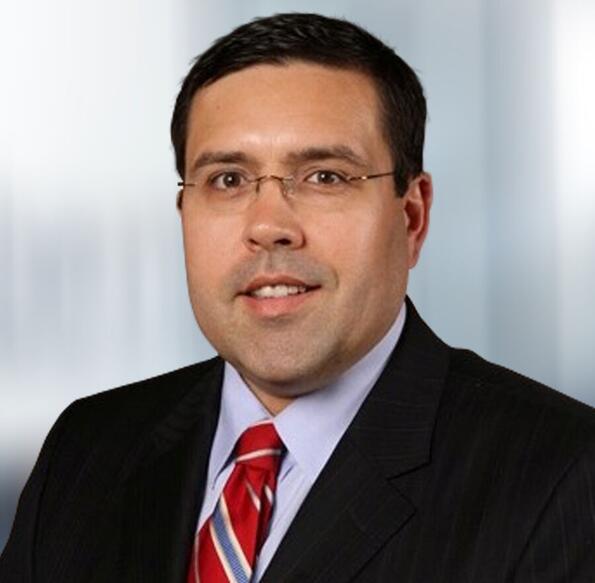
Robert Stapleton
Partner
Robert Stapleton
Robert, in his role as a Partner in the Oil & Gas vertical, delivers extensive sourcing delivery expertise. He has lead clients across a broad cross-section of areas including sourcing strategies and assessments, shared services, performance management, financial management, relationship management, contract negotiation and management, application development and maintenance, enterprise telecommunications and networking, and business process services.
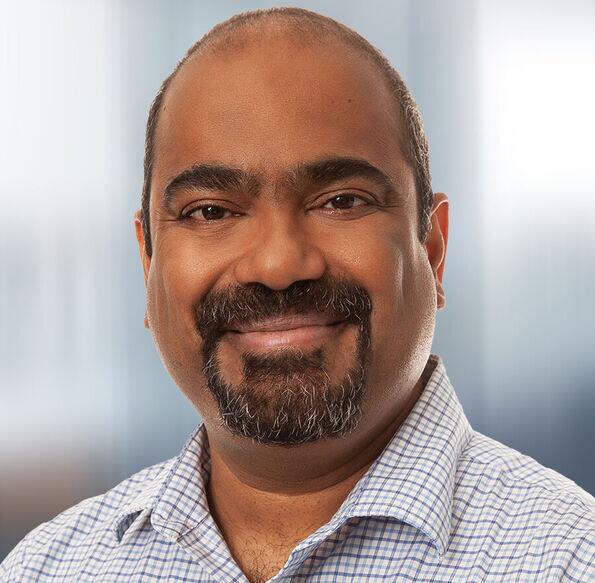
Shriram Natarajan
Director
Shriram Natarajan
As ISG’s Business Transformation team, Shriram brings 25+ years of experience in operational roles, entrepreneurial startups that were instrumental in specifying, architecting, building, and rolling out multi-billion-dollar initiatives in various industry verticals. He offers ISG clients his comprehensive digital imagination and adoption experience for their mission critical initiatives and their innovation ventures.

Carolyn Becker
Director
Carolyn Becker
Carolyn Becker is a knowledgeable ISG advisor who brings great experience to ISGs clients. Her clients benefit from more than eighteen years of experience in various roles and responsibilities within Service Management & Governance (SM&G). Carolyn has delivered advice on all aspects of Target Operating Model (TOM) design and implementation. Furthermore, she advised on sourcing relationships up to a total contract value of US$400 million.
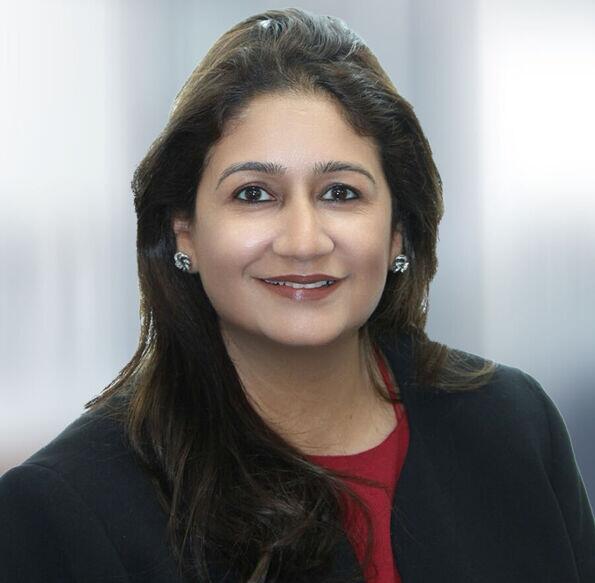
Shweta Taneja
Service Line Director, GCC UK
Shweta Taneja
Shweta is the director of BPO/GCC for ISG’s UK, and Nordics business. She designs and delivers shared services, outsourcing, or GCC setup/expansion strategies for clients. She assesses current-state operations and builds operating models, location strategies, workforce plans, and process optimization roadmaps. Her aim is to drive digital transformation involving automation (RPA/AI), process standardization, and efficiency improvements.
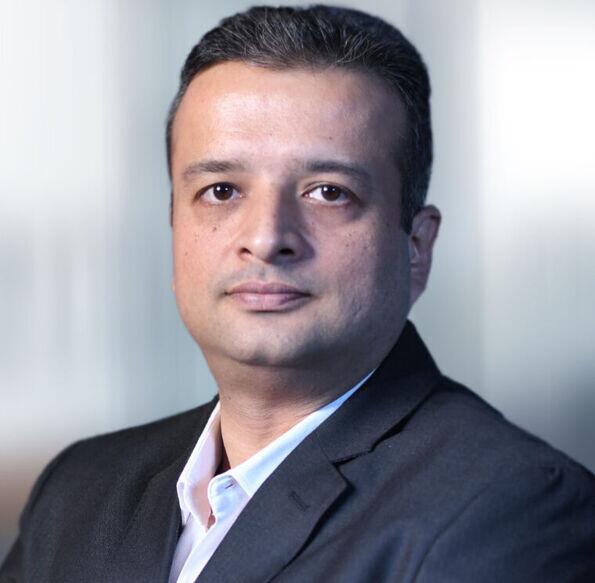
Saurabh Kapoor
Assistant Director, GCC India
Saurabh Kapoor
Saurabh is an experienced ISG advisor who brings more than 20 years of expertise to ISG’s clients. His experience spans IT and Cloud Infrastructure, Enterprise Applications, and BPO, with deep expertise in sourcing strategy, digital transformation, GCC, GBS, and shared services, commercial modeling, and complex contract negotiations.

Janani Balu
Consulting Manager, GCC India
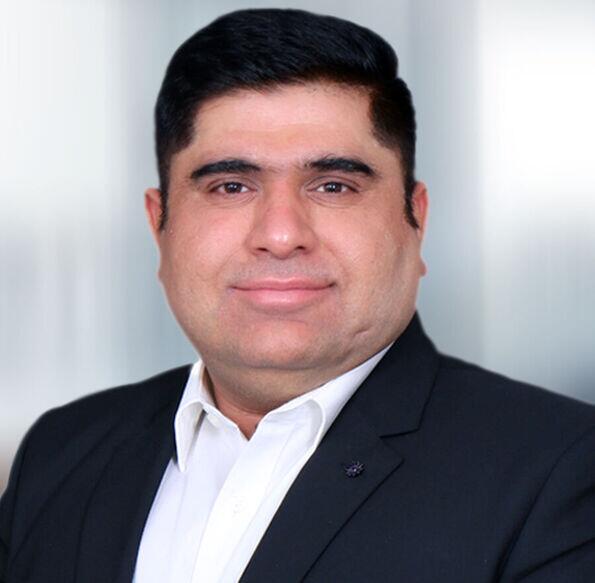
Abhishek Luthra
Consulting Manager, GCC India
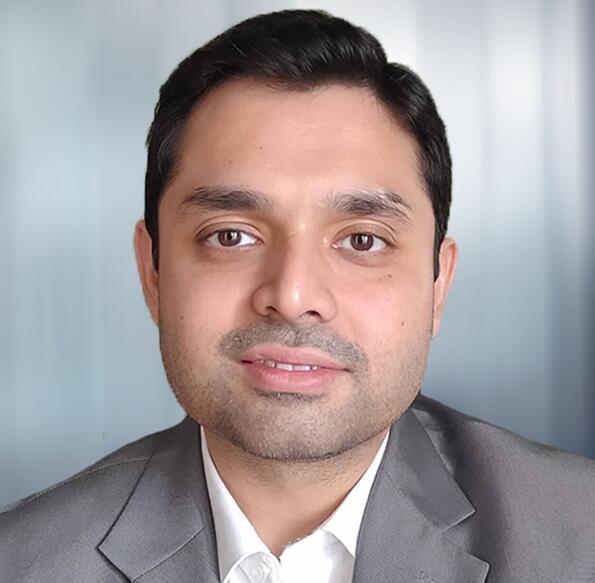
Sagnik Biswas
Manager and Principal Analyst
Sagnik Biswas
Sagnik is a Research Manager & Principal Analyst in ISG and has more than 11 years of experience
in conducting in depth research and data analysis to identify upcoming industry trends. He is actively
involved in developing thought leadership and opportunity analysis papers on next generation themes
in the global sourcing market focused on the Banking & Financials, Travel & Transportation and
Application Development & Maintenance space. Sagnik has also led multiple location optimization
client engagements covering location selection, cost/talent benchmarking, and identifying talent
hotspots with future skills.
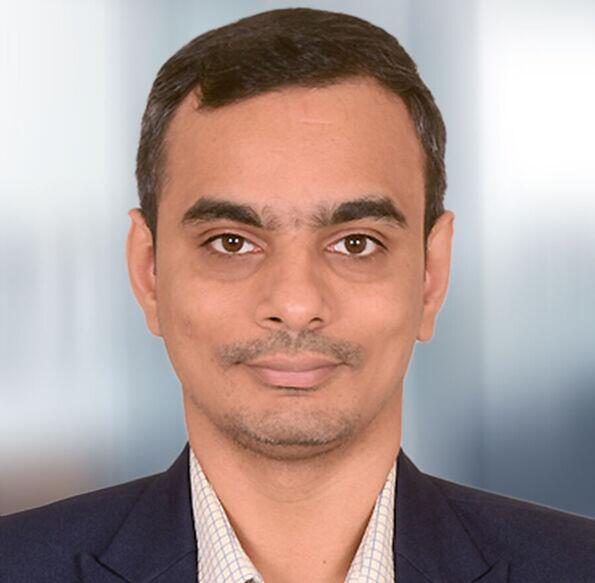
Prasanna S
Senior Consultant, GCC India

Stanton Jones
Distinguished Analyst
Stanton Jones
Stanton helps enterprise technology leaders, IT service providers and buy- and sell-side professionals make sense of the global IT services sector. Stanton's weekly briefing - the Index Insider - is read by thousands of industry stakeholders each week.
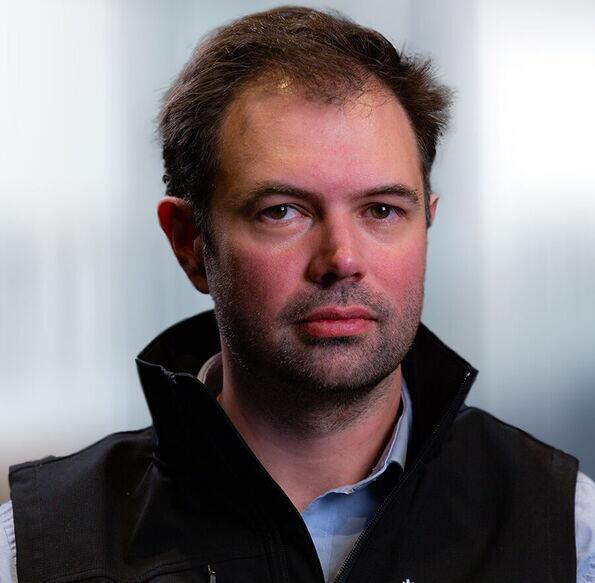
Alex Bakker
Distinguished Analyst
Alex Bakker
Alex leads the Primary Research Team where he focuses on study design, panel research, and interview based research for ISG. In addition to leading the Primary Research practice at ISG, Alex also serves as the lead analyst on provider pursuit effectiveness, and helps IT service providers understand how they can improve performance in the competitive process.
