
Field Services Study

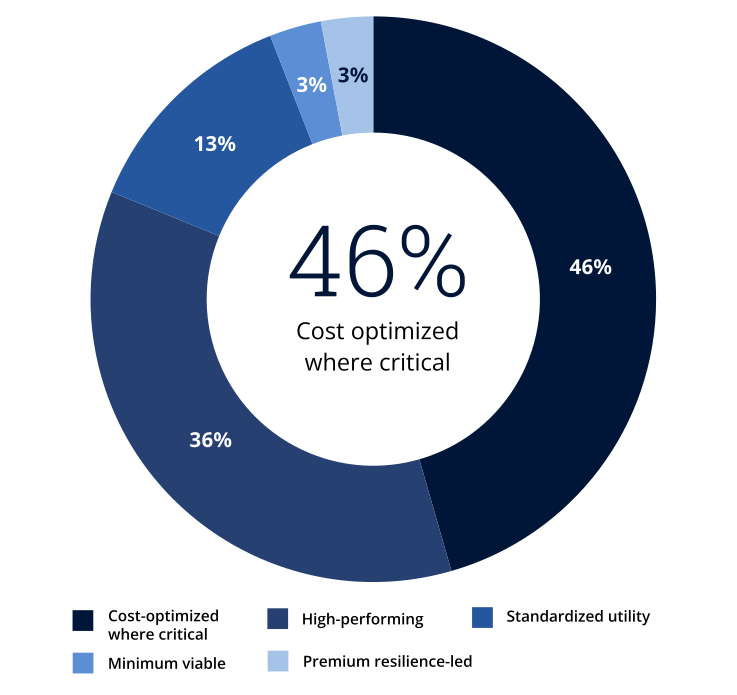
Enterprise field services strategies reflect different levels of ambition. Nearly half of organizations ultimately aim for a cost-optimized capability differentiated where business criticality requires it, while more than one-third target a high-performing capability.
The mandate is no longer simply to reduce the cost of on-site support. Enterprises need an operating model that can align the right mix of internal teams, dedicated outsourced resources, wider outsourcing and on-demand capacity to each environment’s criticality, demand profile and response-time requirements.
Provider Performance is Tested at the Edge of the Enterprise
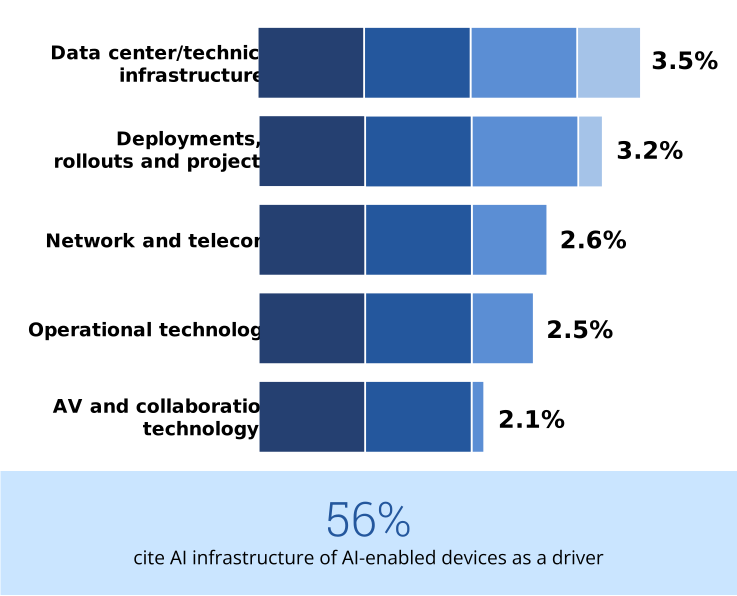
Demand is expected to rise most sharply in data center and technical infrastructure support, followed by deployments, rollouts and projects. AI infrastructure and AI-enabled devices are the leading expected driver of additional field services demand, cited by 56% of respondents.
Data centers, network and connectivity expansion also rank among the leading demand drivers.
This points to a field services agenda that is increasingly shaped by transformation rather than routine support alone. As enterprises refresh technology, add connected devices and expand AI-enabled operations, they need the capacity, technical coverage and fulfillment model to support more complex work across more location
Automation Is Reshaping Resolution, Not Eliminating the Need for Technicians
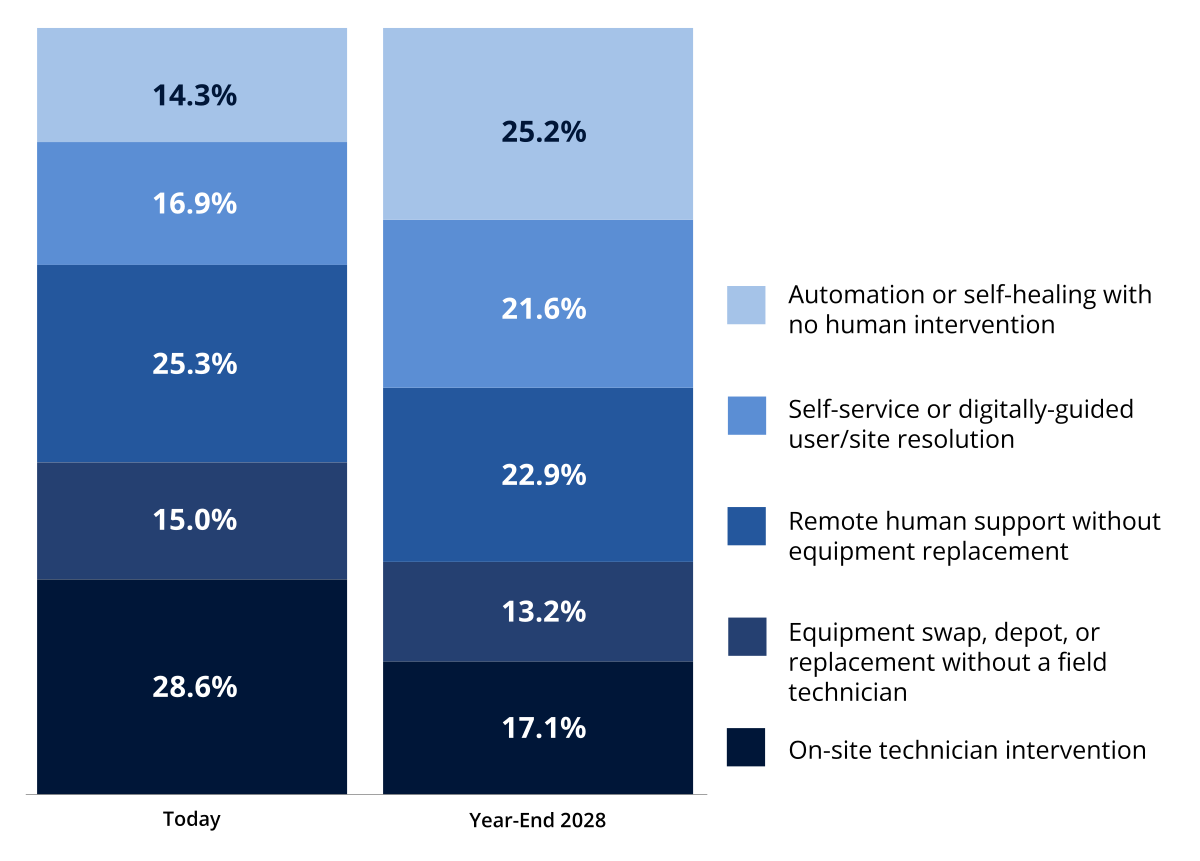
Organizations expect the share of incidents resolved through automation or self-healing with no human intervention to increase from 14% today to 25% by year-end 2028. At the same time, the share resolved through on-site technician intervention is expected to decrease from 29% to 17% of field services incidents.
The implication is not that field services become less important. Instead, the work changes. Remote diagnostics, self-service, predictive maintenance and AI-enabled technician guidance can reduce avoidable dispatches and improve resolution quality. The remaining on-site work is likely to be more specialized, time-sensitive and closely connected to mission-critical operations.
Provider Performance is Tested at the Edge of the Enterprise
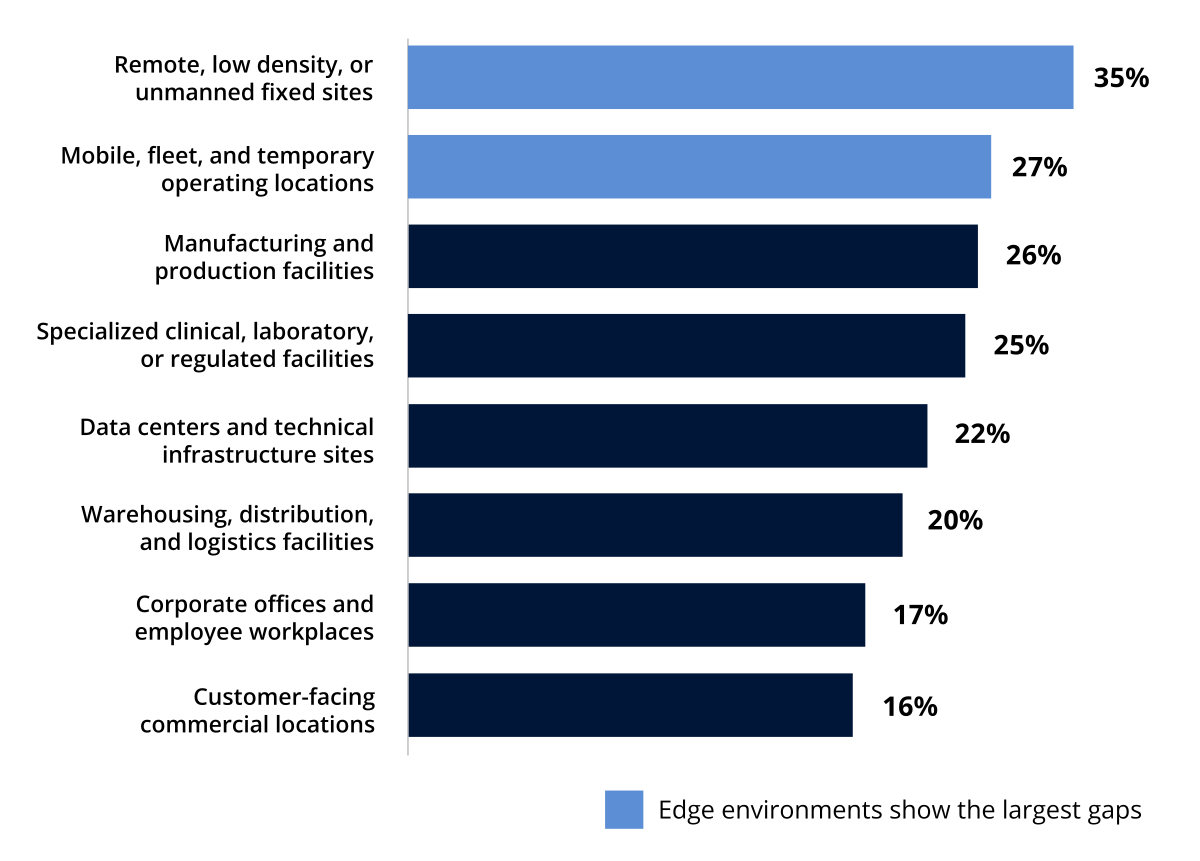
Providers generally meet or exceed expectations across core enterprise environments. The greatest challenges emerge in remote, low-density and unmanned fixed sites, where 35% of respondents say providers fall short of expectations. Mobile, fleet and temporary operating locations also show a significant performance gap.
These are the environments where a standardized delivery model can break down. Enterprises need providers that can combine broad geographic coverage, flexible fulfillment, real-time visibility and dependable response performance across the full technology estate, not only at major offices and commercial locations.