Independent AI Governance for the Multi-Provider Enterprise
Build visibility, accountability and measurable outcomes as AI scale across your enterprise.


The Governance Gap
Without structured oversight, risk scales faster than value.
Most organizations struggle to answer basic questions:
-
What AI use cases are live across the enterprise?
-
Who owns them and how are they risk-tiered?
-
What third-party models and vendors are embedded?
-
What regulatory exposure exists?
-
What measurable ROI is being delivered?
As AI portfolios grow, four pressure points are emerging.
-
The Transparency Gap Reporting is fragmented. Visibility into AI inventory, controls and performance is limited, making it difficult to demonstrate oversight
-
Regulatory Pressure Global regulations increasingly require documented governance, explainability and human accountability. This demands more than technical fixes. It requires formal processes and traceability
-
Vendor Complexity Reliance on third-party LLMs and AI platforms introduces new IP, SLA and lock-in risks that many enterprises are not structurally prepared to manage
-
ROI Shadow Without formal value tracking, AI initiatives consume budget without demonstrating a clear link to measurable business outcomes


Client Stories



Meet Our Team

Abdallah Saadah
Partner
Abdallah Saadah
Abdallah leads the solutions development team for ISG’s Supplier and Contract Management service, GovernX. He takes pride in collaborating with clients to tailor solutions that address their unique business challenges. His focus is on delivering optimal outcomes that help clients achieve their strategic supplier management objectives.

Atul Mishra
Global Delivery Head for GovernX®
Atul Mishra
As Global Delivery Head for GovernX® at ISG, Atul leads the delivery and growth of ISG’s flagship digital governance platform GovernX®, helping Fortune 500 and G2000 clients drive performance, accountability, and value realization across their sourcing and transformation initiatives. He partners closely with business and IT leaders to design and execute governance strategies that align supplier partnerships with enterprise outcomes, using AI-driven insights in performance, financial, contract and relationship management areas.

Kashyap Puranik
Senior Director
Kashyap Puranik
Kashyap offers 18+ years of experience in outsourcing, management consulting, solution design, change management and managing transformation programs. As a trusted advisor Kashyap works with client leaders in the energy, banking, gas and electric and manufacturing industries in creating sustainable solutions to design, manage, optimize and sustain healthy Supplier relationships. He is also the Product owner for ISG GovernX® solution enabling clients effectively to govern & manage all facets of their sourcing relationship (contract, risk, commercial, performance & relationship). Prior to ISG, Kashyap has worked with Accenture, Infosys and IBM managing Transformation, Operations, Organizational Change, Account Management & numerous roles across the globe.
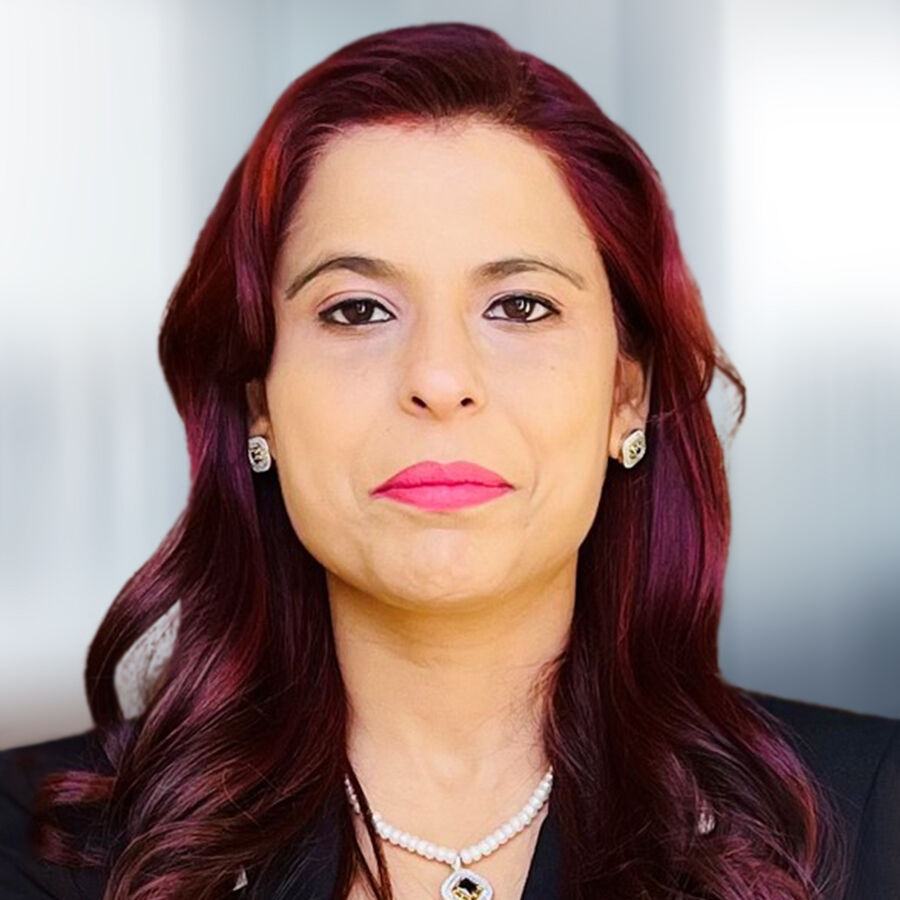
Rekha Acharya
Partner
Rekha Acharya
Rekha Acharya is a Partner in ISG with 20+ years of experience in the Information Technology space and is a trusted advisor to many leaders, including C-Level Executives. Within ISG, she is accountable for the full P&L of ISG’s Governance Business Unit and the oversight of high-impact, strategic client relationships across key enterprise accounts. Rekha is also an angel investor and is recipient of 2023 Dallas Business Journal Women in Technology award.

Tanja Kruse-Jones
Director
Tanja Kruse-Jones
Tanja Kruse-Jones leads ISG’s Supplier Management and Managed Governance Services service lines in EMEA, which provides holistic solutions to complex multi-sourcing environments. Tanja´s focus area of expertise is centered around designing, operationalizing and automating Vendor governance, processes and operations. Tanja has supported many client organizations in optimizing their organizational set up and IT Vendor Management processes to improve client satisfaction, achieve operational excellence and deliver tangible business value. Tanja´s special expertise lies in integrating the people-aspect in transformation initiatives to achieve sustainable results. Tanja has been working in IT consulting for more than 20 years.
Todd Dreger
President, ISG Enterprise Growth, and Chair, ISG GovernX®
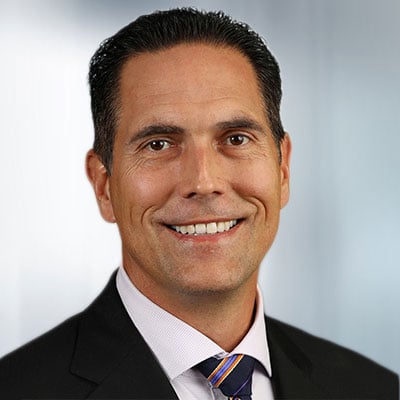
Todd Dreger
Todd is President of Enterprise Growth, driving the firm's expansion by creating innovative client solutions across industries and geographies. He also serves as Chair of ISG GovernX®, where he oversees efforts to help clients optimize third-party relationships, enhance supplier performance and reduce bottom-line expenses.
Todd has held several prominent leadership roles within the firm, including Partner and President of ISG GovernX®, IT and Enterprise Platforms, President of ISG Americas Markets—where he led the firm's business development growth—and Chief Marketing and Strategy Officer.
A seasoned business strategist and turnaround expert, Todd brings decades of experience in internal and external sourcing, encompassing all facets of information technology and business processes. His unique perspective stems from roles as a sourcing procurer, service provider and advisor, with a global reach that spans India, Israel, Eastern Europe, Philippines, Greece and the Americas.
Todd holds a bachelor’s degree in strategic management from the University of North Texas and an MBA from the University of Texas at Dallas.
