Future of Work Technology and Strategy Solutions
Build a workplace where people and AI deliver more together.


ISG's Future of Work Capabilities:
-
Benchmark workplace and end-user services against comparable enterprises on cost, service levels and productivity
-
Design the workplace operating model and decide what stays in house, what moves to providers and what AI absorbs
-
Source and re-source end-user computing, service desk and collaboration agreements from strategy through selection and transition
-
Compare providers and platforms on independent research covering employee experience and AI-enabled end-user computing
-
Reduce cost across devices, software licenses, collaboration tools and support contracts
-
Govern supplier performance after signature and hold delivery to terms you agreed
-
Prepare people for the change with organizational change management, training and adoption support
Featured Insights

Client Stories



Meet Our Team
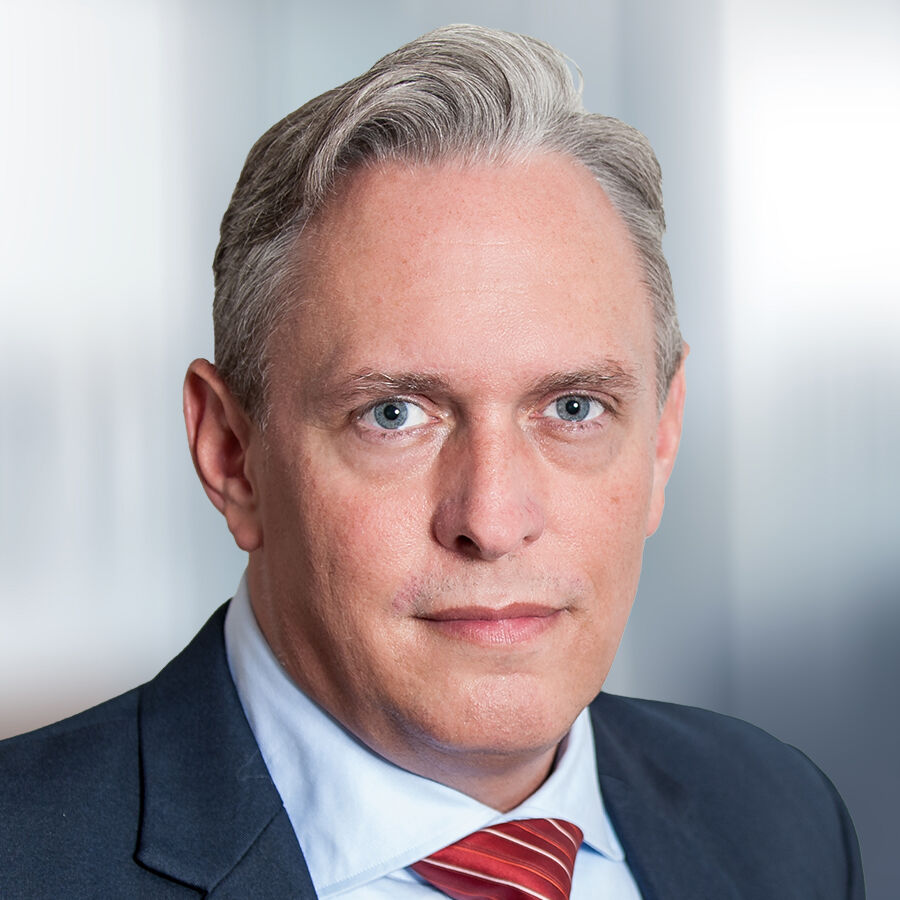
Roman Pelzel
Principal Consultant
Roman Pelzel
Roman Pelzel is a thought leader and trusted advisor with more than 25 years of experience in leading and facilitating digital workplace strategies and technologies as well as ITIL/value-driven service management in different business areas (insurance, automotive, utilities, e-commerce). He has made it his mission to sustainably connect talent and technology by helping organizations transform their digital workplaces into a digital work state experience that put people first. Roman is a recognized expert in workplace management technologies as well as hardware and software rollouts. He contributes to his clients' success with his comprehensive expertise gained in various roles, combining leadership, coaching and technical skills.

Carolyn Becker
Director
Carolyn Becker
Carolyn Becker is a knowledgeable ISG advisor who brings great experience to ISGs clients. Her clients benefit from more than eighteen years of experience in various roles and responsibilities within Service Management & Governance (SM&G). Carolyn has delivered advice on all aspects of Target Operating Model (TOM) design and implementation. Furthermore, she advised on sourcing relationships up to a total contract value of US$400 million.

Iain Fisher
Executive Director
Iain Fisher
lain Fisher is ISG's head of industry research and market trends. With over 20 years in consulting and strategic advisory, he now leads cross-industry research across 20 markets. Iain oversees the ideation, creation and market presentation of ISG Provider Lens® studies and builds cross-industry, strategic insights delivered through executive briefings, events and roundtables. A published author of several studies and thought leadership assets, he is recognized in the market for advising leaders on how to achieve strategic advantage.
Iain is an ISG SME on the Future of Work, CX, Sustainability, Aviation, U.K. Healthcare, Utilities and cross-industry solutioning. He develops custom market insights that reshape business models and drive new solutions and innovation.
Beyond his research portfolio, Iain has led the streamlining of ISG Research operations, earning the Outstanding Achievement award in December 2025. He is currently leading the transformation of IPL to include ethical AI tooling. A regular keynote speaker and online presenter, Iain has authored several eBooks on these topics.

Robert Kugel
Executive Director
Robert Kugel
Rob leads and manages the business software research and advisory team focusing on the intersection of information technology and applications across the front- and back-office areas of enterprises. Rob leads the Office of Finance practice and the AI for Business efforts and is a book author and thought leader on integrated business planning (IBP). Prior to ISG and two decades at Ventana Research, he was an equity research analyst at several firms including Credit Suisse, Morgan Stanley and Drexel Burnham, and a consultant with McKinsey and Company. Rob was an Institutional Investor All-American Team member and on the Wall Street Journal All-Star list. Rob earned his BA in Economics/Finance at Hampshire College, an MBA in Finance/Accounting at Columbia University and is a CFA charter holder.
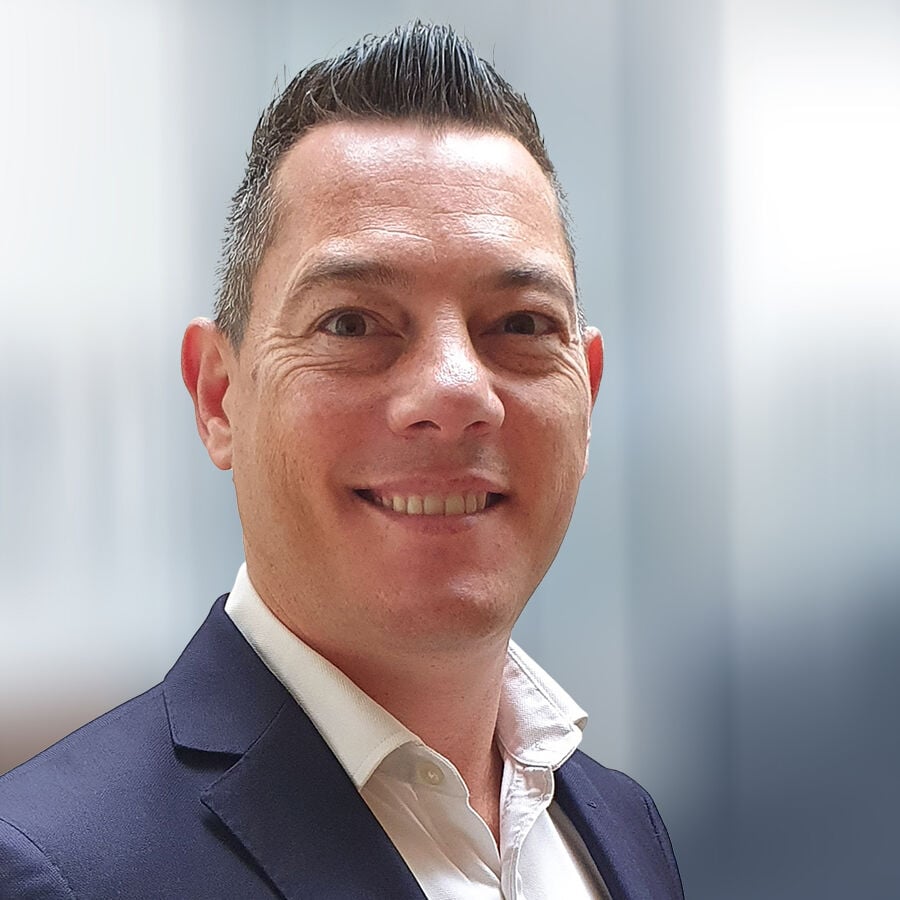
Jason McAuliffe
Director and APAC Workplace and Experience Lead
Jason McAuliffe
Jason McAuliffe is a Director at ISG with a focus on technology sourcing advisory. Jason has 20+ years of ICT experience having worked in many sectors, such as BFSI, Healthcare, Petroleum, Mining, Aviation and Education.
As a technology sourcing specialist with a focus on Workplace and Experience and network technology, he can articulate his client’s needs to deliver new, step-change and transformational improvements in IT capability which can immediately affect benefits and efficiencies.

Martin Mitrega
Director
Martin Mitrega
Martin Mitrega leads our EMEA Collaboration and Experience Solution Centre which guides our clients through transformation of their tradition workplace and collaboration models to achieve their digital & IT agendas. He is an expert in the area of Workplace of the Future, where he has a broad knowledge of current trends and developments in the market. In his role, Mr. Mitrega offers market insights, evaluates IT & digital strategies, designs future target operating models, and structures and negotiates the partnerships with new vendors to deliver digital & technology services.

Andreas Schaefer
Principal Consultant
Andreas Schaefer
Andreas Schaefer is a well experienced sourcing and transition professional who brings great experience to ISG’s clients.
He delivers with his experience in various roles within a Transformation, starting with transaction through to execution. Andreas leads Transition and Sourcing projects, implements and leads large multi-provider Transition Management Offices and supports programs within the area of IT operations and application development.
Andreas develops the ISG EMEA Transition and Transformation as capability lead. In his role he reviews current Transition and Transformation projects and amends the ISG method to meet the latest client’s requirements.
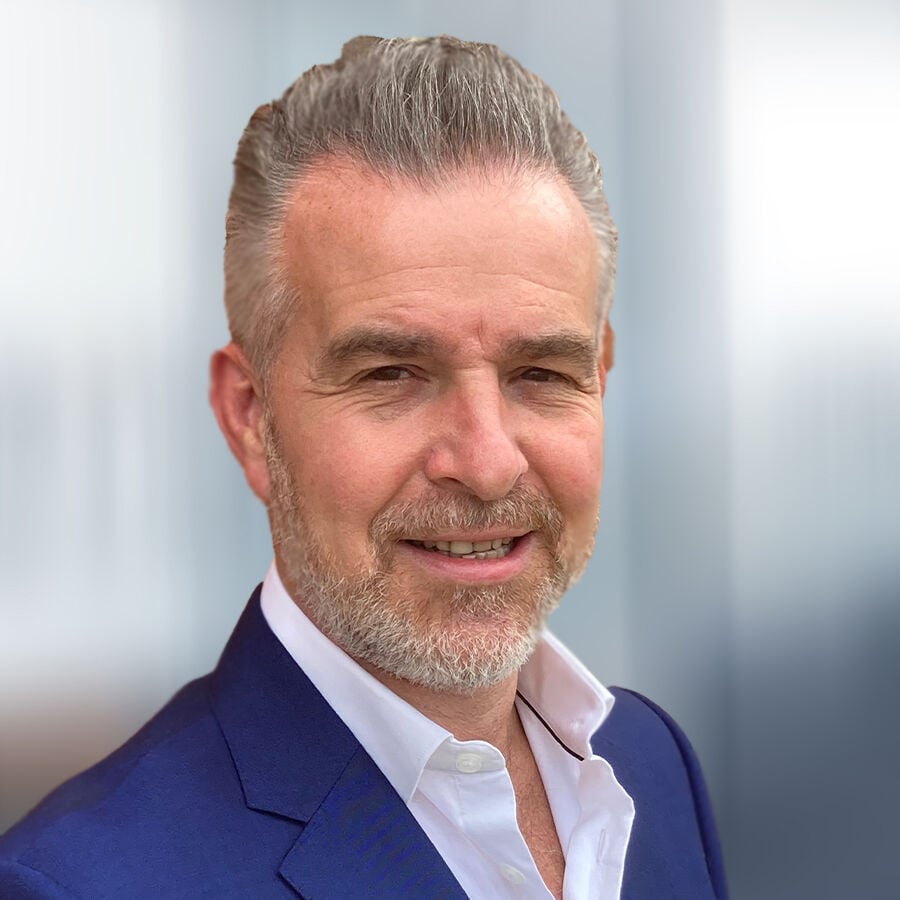
Kevin Turner
Principal Consultant
